Nigeria in The Whole Earth Catalog
The first time I heard about the Whole Earth Catalog, it was in Steve' Jobs’ 15 minute Commencement speech at Stanford, in 2005.
Steve shared a bit about the Catalog, and finished his speech with words from the Catalog’s final issue.
When I was young, there was an amazing publication called The Whole Earth Catalog, which was one of the bibles of my generation. It was created by a fellow named Stewart Brand, not far from here in Menlo Park. And he brought it to life with his poetic touch.
This was in the late '60s, before personal computers and desktop publishing, so it was all made with typewriters, scissors, and Polaroid cameras. It was sort of like Google in paperback form, 35 years before Google came along. It was idealistic, overflowing with neat tools and great notions.
Stewart and his team put out several issues of The Whole Earth Catalog. And then, when it had run its course, they put out a final issue. It was the mid-1970s, and I was your age.
On the back cover of their final issue was a photograph of an early morning country road—the kind you might find yourself hitchhiking on if you were so adventurous. Beneath it were the words, "Stay hungry. Stay foolish." It was their farewell message as they signed off.
“Stay hungry. Stay foolish.” And I have always wished that for myself. And now, as you graduate to begin anew, I wish that for you. Stay hungry. Stay foolish. Thank you all very much.
“The Whole Earth Catalog and its many publications was an American counterculture magazine and product catalog published by Stewart Brand several times a year between 1968 and 1972, and occasionally thereafter, until 1998. The magazine featured essays and articles, but was primarily focused on product reviews. The editorial focus was on self-sufficiency, ecology, alternative education, “do it yourself,” and holism, featuring the slogan “access to tools.”
I also love that they’ve created a searchable whole earth catalog!
I’m always curious about how Nigeria shows up in early 20th and 21st century writing.
And so off I eagerly went to explore.
Here’s what I found - 30 results across different Whole Earth publications - Whole Earth Review, Whole Earth Magazine, CoEvolution Quarterly, and more from 1981 to 2001.
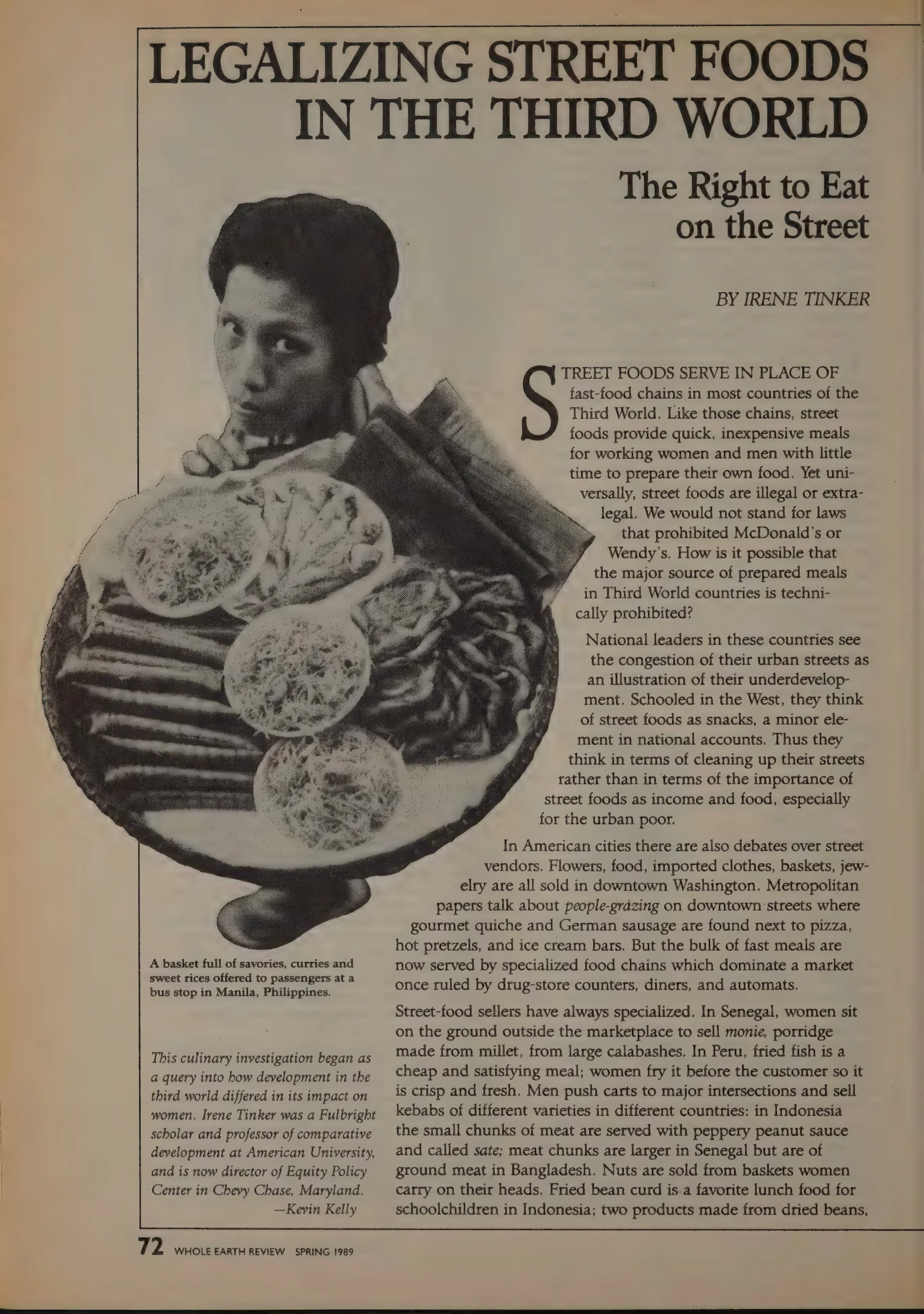
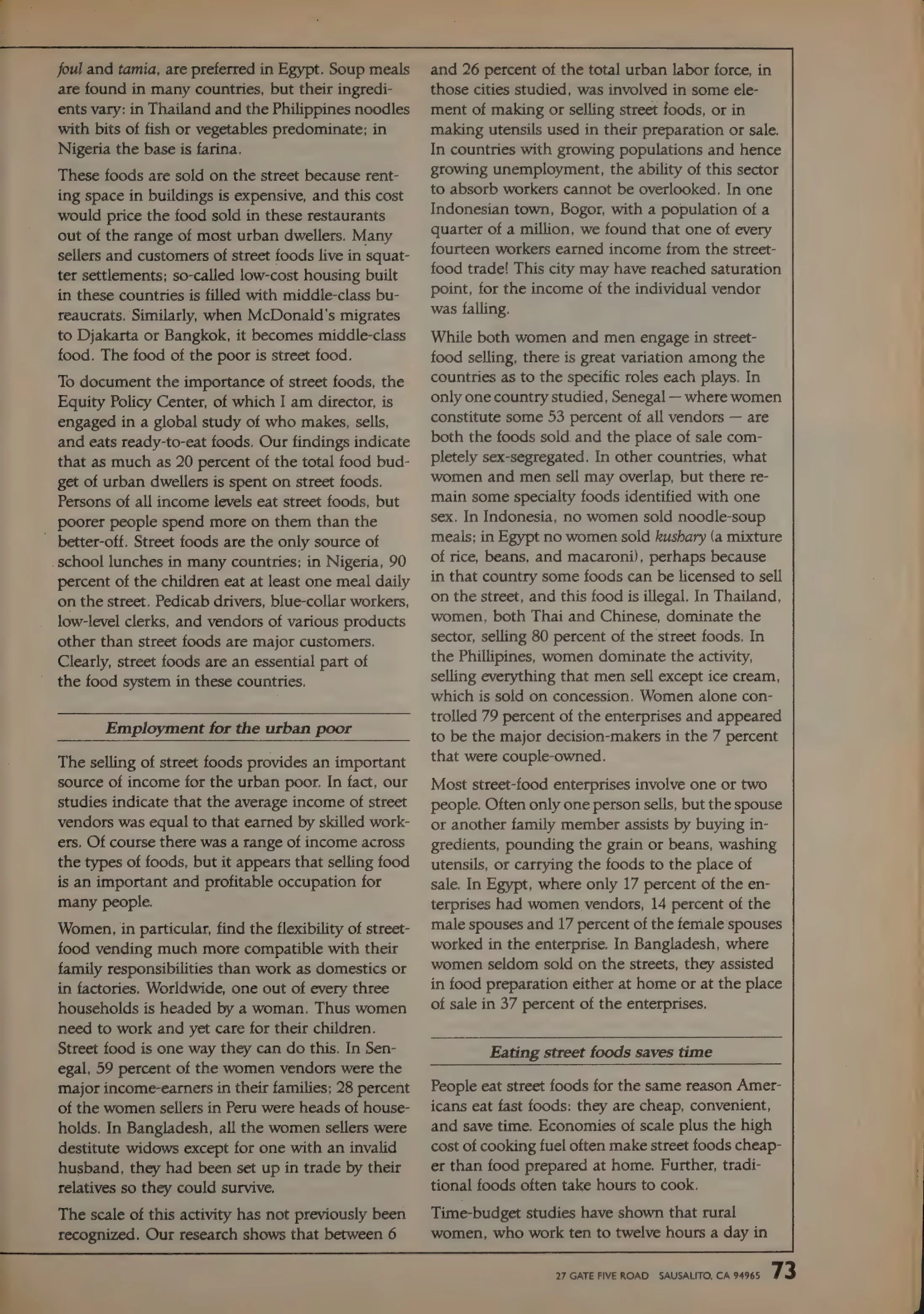
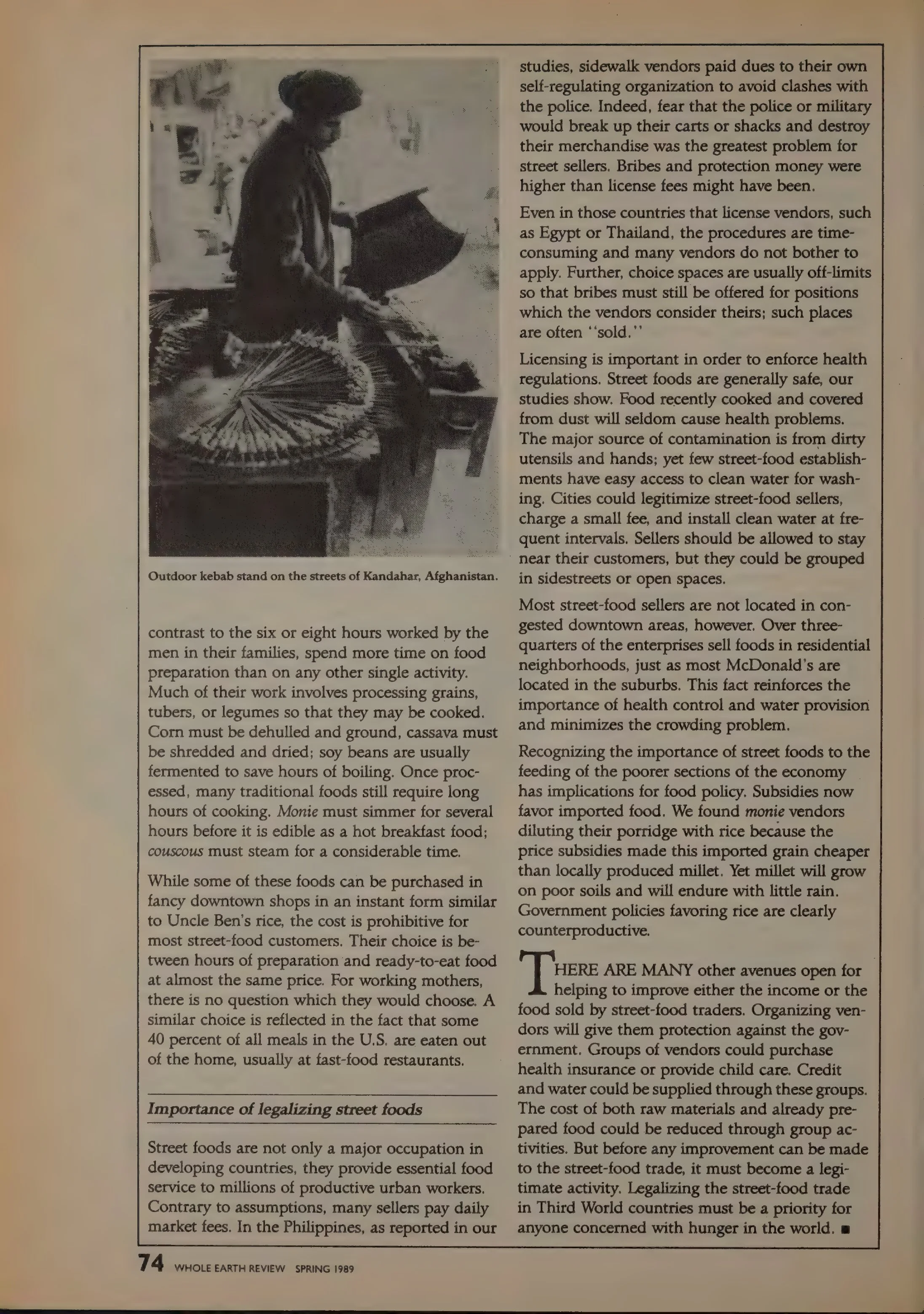
The mentions range from pieces on Street Foods in the “Third” World - emphasis all mine, to inclusions in the encyclopaedia, Africana, notes on population growth and the rate of change in different countries, memories of Americans growing up in Nigeria, protests and feminism, notes from a 1985 edition with talk of Juju and Afrobeat music, and more.
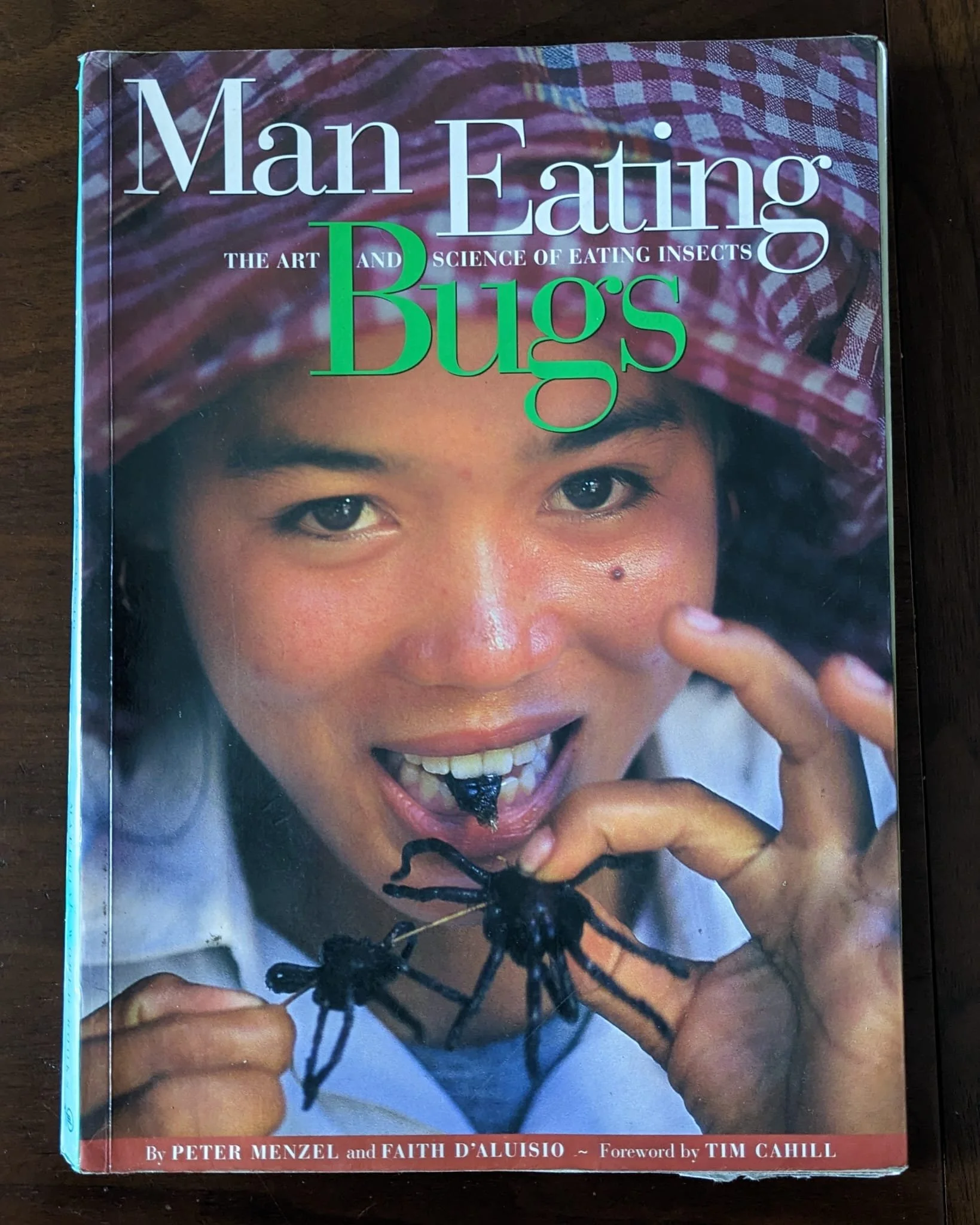
I was thrilled to see a reference to edible bugs in the Spring 1999 issue of Whole Earth Magazine, not only because it is something I think about often but because the piece was a book review for Man Eating Bugs, The Art and Science of Eating Insects Peter Menzel and Faith D'Alusio. 1998; 192 pp. $19.95 which I have.
There are notes about the Biafra war, sex-AIDS-condoms, airlines, FESTAC ‘75, more music including how immigration shapes the sources of music in particular places - “The customers in this case are, firstly, expatriates who want to hear music from home and later, domestic fans whose musical curiosity has been stimulated both by contact with the immigrants and by exploring musicians and press coverage of those explorations. Both the trade routes and expatriate customers tend to follow patterns established during colonial times. Thus many African records by musicians from Zaire, Senegal, and the Cameroons can be found in Paris. There is also a greater availability of Caribbean music from Martinique and Guadeloupe. In England, you'll find more music from Nigeria, Ghana, and South Africa, as well as vast amounts of reggae. Modern paths of migration are also important. Many West Indians and other Caribbean people have immigrated to the east coast of the U.S., so Brooklyn and Miami have a large number of record companies specializing in music from Haiti, Trini- dad, Jamaica, and Cuba. The musical influences have been a little more free-ranging. African and American musical styles have constantly crisscrossed the Atlantic influencing each other.”
All together a fascinating collection of words, ideas, thoughts, and reporting from across the globe.
Next step? See if Jollof Rice features anywhere.