
Cookbooks as Treasure
The Value of Cookbooks
Cookbooks are a compilation of many different things, from culinary biographies to records, memories, knowledge, art, ways to nourish ourselves, manuals on building skills, journeys of discovery, and ways to “travel, by plate”.
The recipes and other text within them “reveals incredibly rich, complex details about the moment and place in which it was written: recipes tell us about socioeconomics, migration and immigration patterns, and religious prohibitions and practices. They teach us about environmental policies, agriculture and sustainability, foodways, and cultivation practices. They offer evidence of mercantilism and trade, of culture and aesthetics and taste. They tell stories of war, dearth, and conflict as well as those of peace and plenty.” A Recipe’s Place is in the Classroom
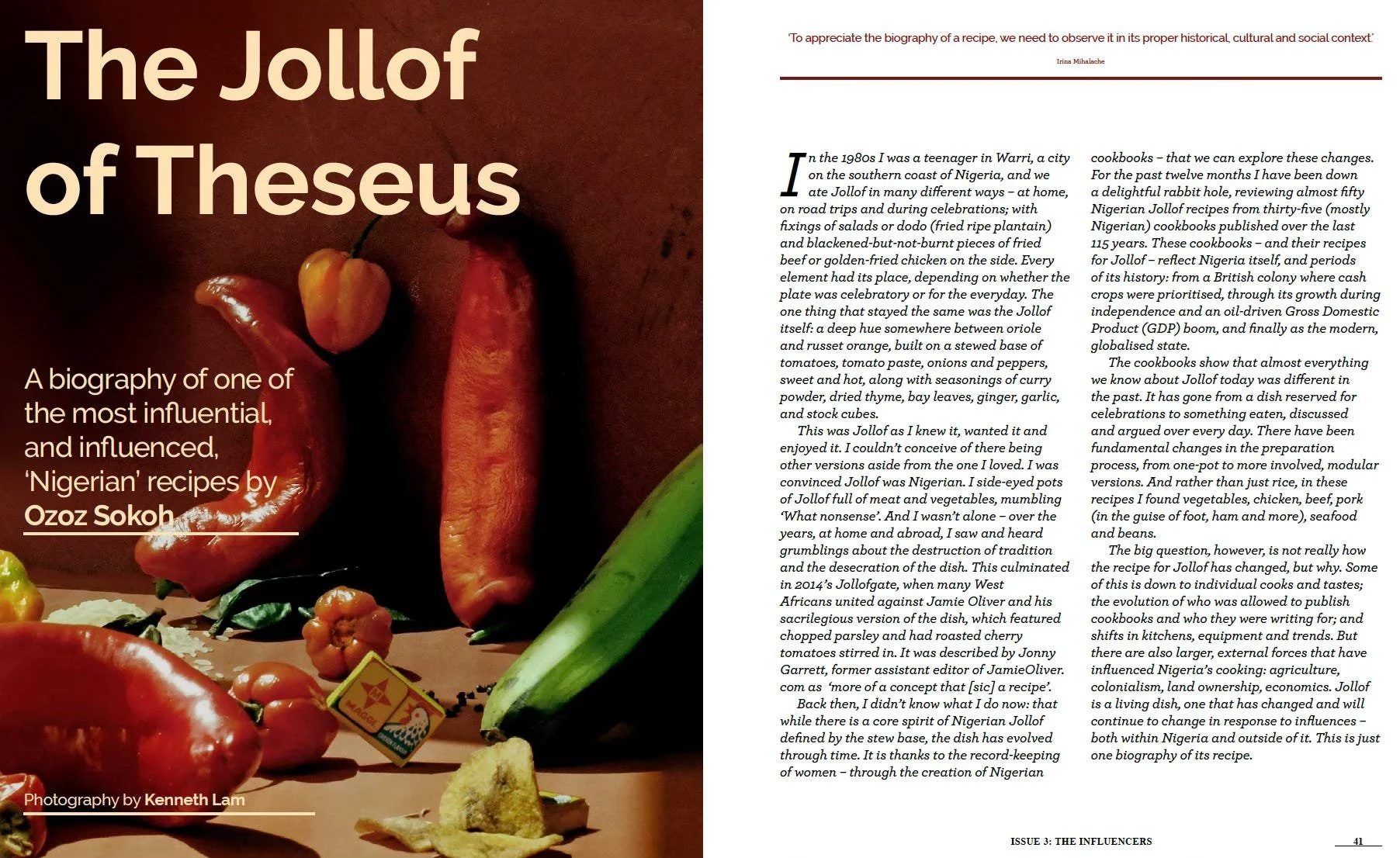
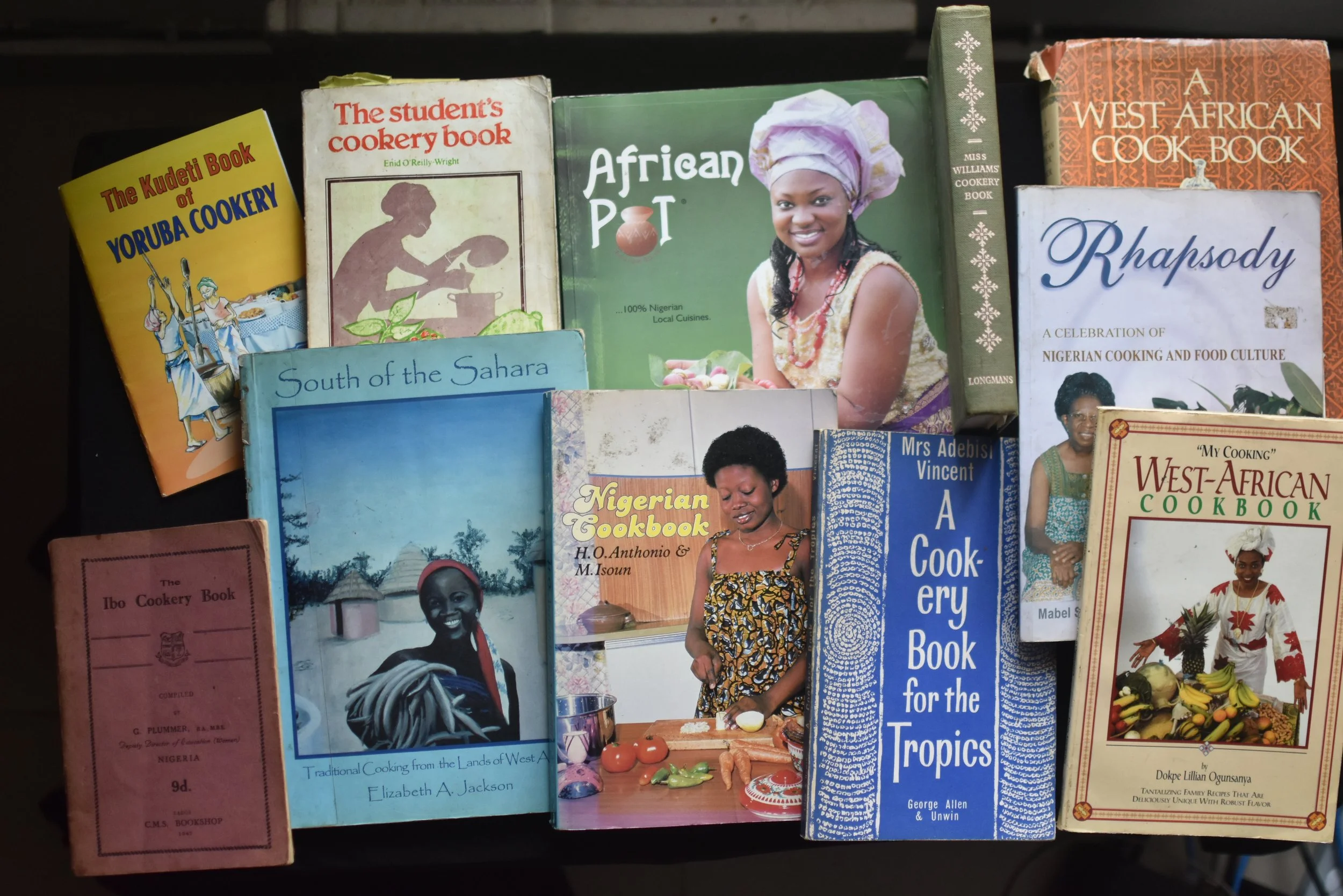
In The Jollof of Theseus, I explore over 30 Nigerian cookbooks with recipes for Jollof Rice, from 1910 to 2025. This 2500+ word essay published in Issue #3 of Vittles Magazine is my first attempt at synthesizing the foundation of what I’ve learned studying these works.
Cookbooks are, can,…
-
They are …”rich personal and social texts, giving accounts of the whys and hows of our food traditions and, through them, our histories and cultures.” No Mere Culinary Curiosities: Using Historical Cookbooks in the Library Classroom, Kathryn G. Matheny (2020)
-
preserving within them ingredients, stories, measurements, methods of the time. They are truth tellers, of voices and silences, of the past and of the present.
-
One learns about measurements and utensils, methods and ingredients that are signatures of a particular time, amongst a particular people.
-
Who wrote the cookbook? When? Why? Does the text reflect specific attitudes and beliefs?
-
They hold within them trails and traces of people, places, and foods. Brazilian recipes in Nigerian cookbooks? What, how, when, and why? Through these journeys and exchanges, we learn about shared histories and cultures
-
They often reflect what being from a country means to the writer, on the plate. They often contain stories of regional connections, influences, linguistic peculiarities, about ingredients and holidays, and connections to other cultures with similar histories.
-
There are many ways to use them. One example - There are dishes, drinks, techniques, utensils that exist across the world and cookbooks can be a way to learn about these global foodways and connections
-
Or enjoyed like coffee table books. Value doesn’t only come from cooking from them. You can enjoy them without pressure.
-
somewhat like carbon dating (thank my geologist past self). Exploring specific recipes in cookbooks through time periods can highlight changes through time, explore and understand events and chronologies. With this, we can construct timelines, reconstruct histories, and get a deeper understanding of how recipes have changed through time.
-
and “forbidden” foods.
Máirtín Mac Con Iomaire writes in Towards a Structured Approach to Reading Historic Cookbooks (2013) that “Cookbooks are an exceptional written record of what is largely an oral tradition.”
In this piece, Máirtín discusses the differences between the intimacy, and privacy of manuscripts written for households versus the public-facing work of cookbooks that somewhat commodify knowledge, transforming the domain of consumption from private to public.
I also appreciate Emily Contois’s perspectives in Listening to the Voices in Historic Cookbooks who quotes Wheaton “Listen to these cookbooks, to what they’re saying and how they’re saying it. They are real voices.”
Both articles share the methodology and approach developed by Barbara Ketchum Wheaton where the culinary text is reviewed and grouped into five
ingredients
equipment or facilities / the kitchen and everything in it
the meal / the meal and menus
the book as a whole/ the cookbook as a book and publication
the worldview / the cookbook as a socio-cultural object
THE PREMISE
“To appreciate the biography of a recipe, we need to observe it in its proper historical, cultural and social context.”
by Irina Mihalache
Food Journal | Vintage recipes with Irina D. Mihalache
Cookbooks as Material
·
People, Places, Things
·
What can recipes say?
·
Cookbooks as Material · People, Places, Things · What can recipes say? ·
Our Process
-

The Question
What do you want to know? A simple question is a good place to begin. More questions may come up but having a core one to anchor your research in is fundamental.
-

The Data
Gather the data - cookbooks, recipe collections, oral history. Organize it to get an overview. Check for patterns, and deviations from those. What stands out?
-

The Work
What does the data mean? What events do inflection points coincide with? This is where we go deeper, beyond the data, exploring different sources, and putting forth theories.
-

The Answer
Is the initial question answered? What other/ new questions have come to light? What’s a good way to publish the results? What do next steps look like?
The Reading Teacher | Volume 71, Issue 6 pp. 749-752
“My Family Makes This!”: Including Cookbooks in the Classroom Library by Sharryn Larsen Walker, Natalie M. Walker
First published: 19 January 2018, https://doi.org/10.1002/trtr.1685
Finding culturally relevant informational books for a classroom library can be difficult. However, expanding the definition of informational text to include procedural forms, specifically cookbooks, can enhance the cultural relevance, range, and number of books available for students to read. Reasons for placing cookbooks in the classroom library include promoting reader interest and providing opportunities for students to read short yet predictable texts. Additionally, cookbooks contain the technical vocabulary of the culinary arts, thus helping readers expand their knowledge of food science. Criteria for selecting cookbooks for the classroom library include layout, font, photographs, physical size, content, and representations of the world and its people.
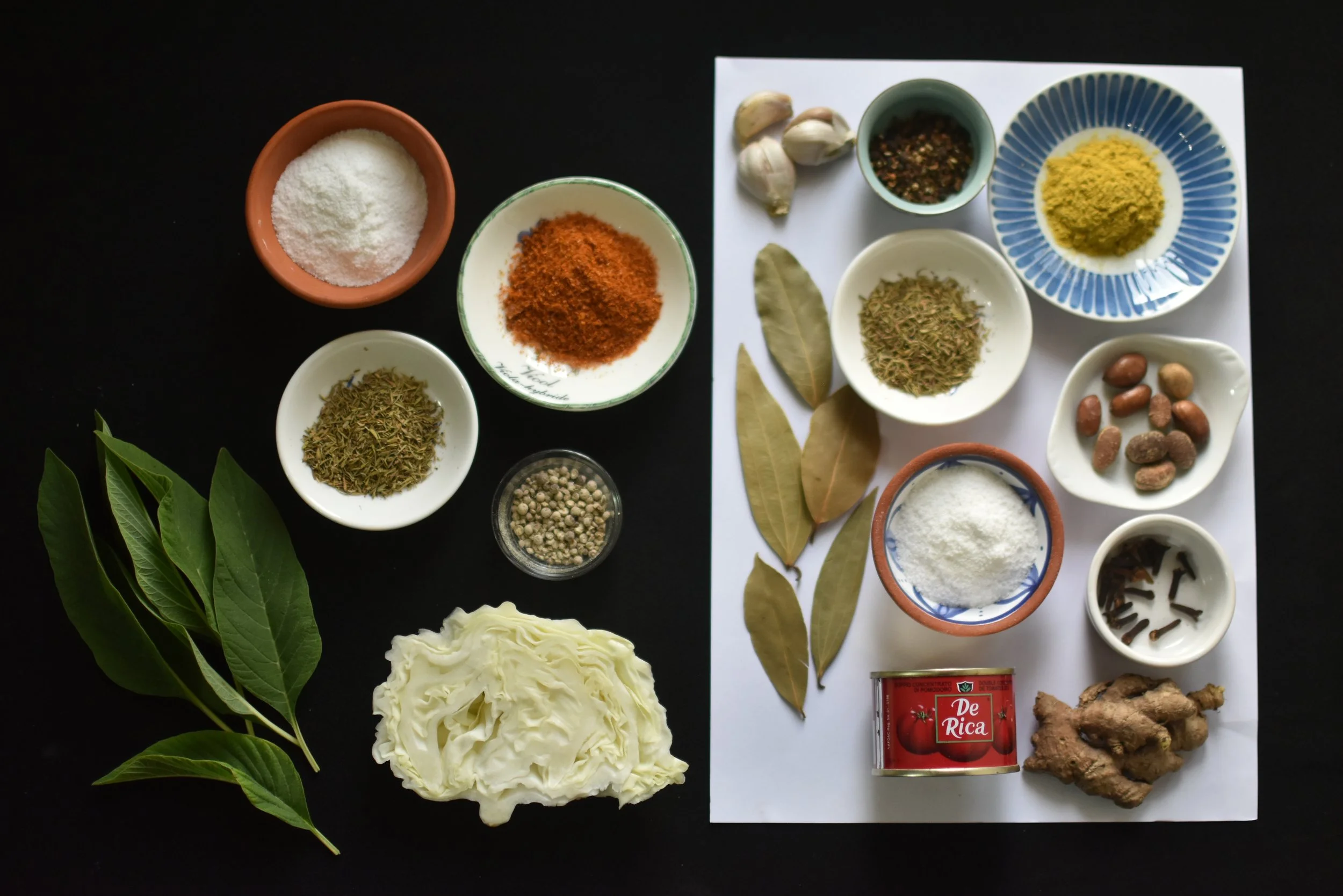
In my first exploration of recipe biography, I trace Jollof Rice in Nigeria, from its Senegambian origins through all available cookbooks and other food resources from 1910 to date.
These resources allow examination of a singular recipe to explore history, migration, trade, colonialism, and more, and how they shape identity and belonging.
Though Nigerian and West African cuisine and knowledge systems have contributed to global food systems, their culinary histories are nascent. Beginning with a dish like Jollof Rice which is somewhat familiar (and Red Rice adjacent) is an avenue to original and compelling contributions to Food Studies from several perspectives. It is amongst the early—if not the first— explorations of Jollof Rice in this manner.
WANT TO EXPLORE THE PROCESS?
Reach out - I’d be happy to provide guidance, and share more.
R
E
F
E
R
E
N
C
E
S
No Mere Culinary Curiosities: Using Historical Cookbooks in the Library Classroom
Cookbooks Are So Much More Than Recipes and Photographs
Speak, Recipe: Reading Cookbooks as Life Stories
Critically Making Games from Historical Cookbooks
To make mangoes of melons: Using the evolution of form and senses to understand historical cookbooks
Inside The World of Art Cookbooks
Eat My Words: Reading Women's Lives through the Cookbooks They Wrote (review)